Chronic pain is a constant and unwelcome companion for many, making everyday life feel like a struggle. Finding effective and non-invasive solutions is a top priority for both patients and healthcare professionals. Class IV laser therapy has revolutionised pain management and tissue healing, offering a game-changing alternative to traditional methods. With its ability to harness targeted light energy and stimulate the body's natural healing processes, this technology is providing relief for a wide range of conditions.
This post will get to the bottom of the science behind laser therapy. We'll take a closer look at how systems like the OptiLase Class IV laser work to reduce pain and inflammation. You'll learn about the effects on a cellular level, why factors like wavelength and power are so crucial for success, and the many conditions that it can effectively treat.
How Laser Therapy Actually Works
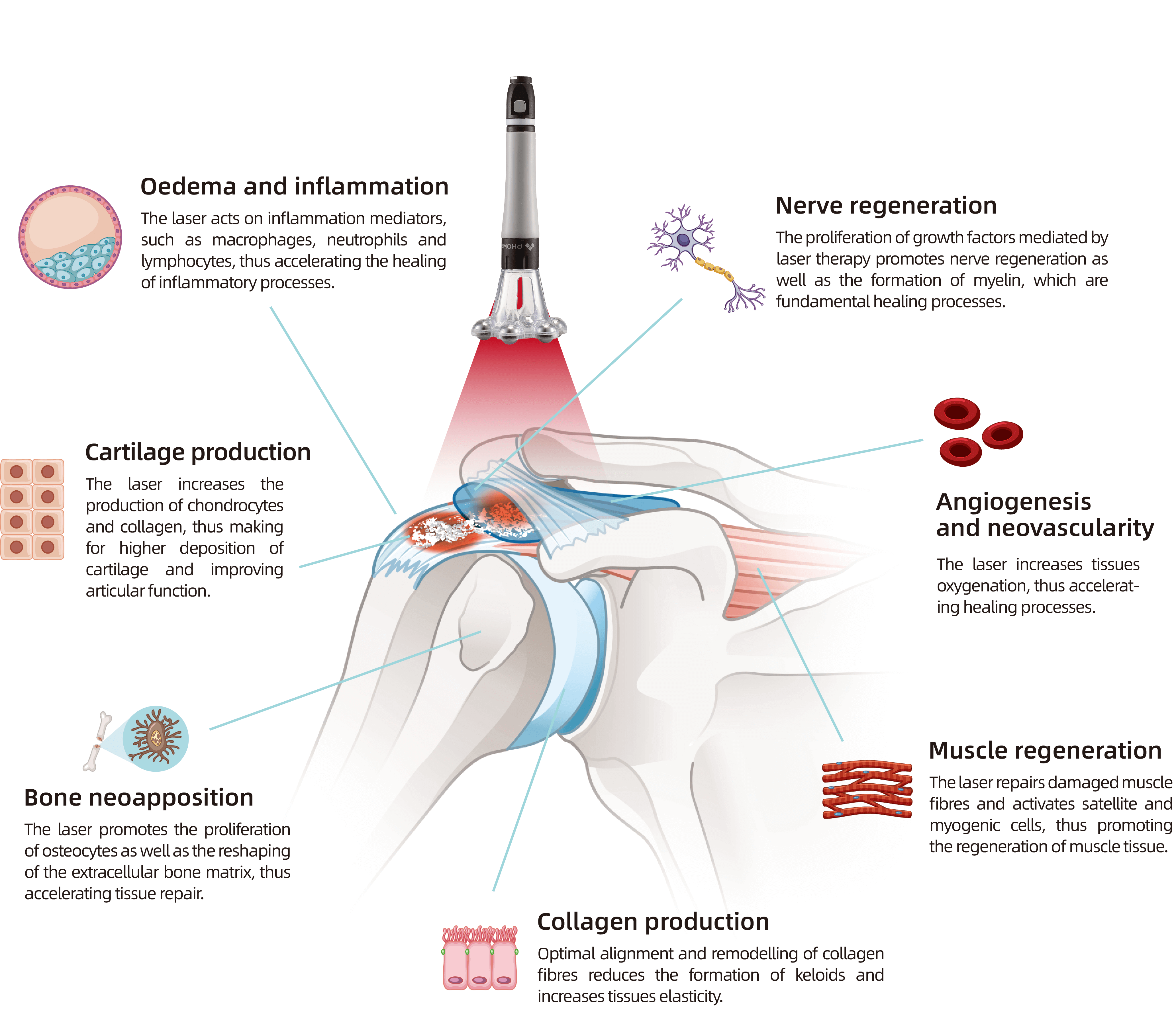
At its core, laser therapy works through a phenomenon called photobiomodulation (PBM). During a treatment session a device delivers specific wavelengths of light into the tissue - and this light energy is made up of tiny particles called photons that penetrate the skin and are absorbed by cells, particularly deep within the cell's powerhouse - the mitochondria.
This absorption triggers a chemical reaction & mainly involves a component called Cytochrome C. The interaction kickstarts the mitochondria into producing more ATP - the main source of energy for the cell's functions. This boost in cellular energy sets off a whole chain of positive physiological effects that speed up healing & reduce pain.
Key Effects on Metabolic Processes
The stimulation from laser therapy brings about a number of beneficial changes within the body:
- Better Circulation: Laser energy helps to enlarge blood vessels drawing in more oxygen and vital nutrients to the damaged area. This improved circulation creates a perfect environment for healing.
- Reduced Inflammation: The therapy helps to stabilise cell membranes & reduce inflammatory markers leading to less swelling & irritation in the treated tissue.
- Pain Relief: Laser therapy has an analgesic effect, it can block pain signals being sent by nerve cells & stimulate the release of endorphins - the body's own natural pain relievers.
- Healing & Growth: By increasing ATP production & improving nutrient transport across cell membranes, laser therapy gives tissues a chance to heal and grow more quickly.
The Importance of Wavelength and Power
Not all laser therapy is created equal & its success depends on two key factors: wavelength and power.
Why Wavelength Really Matters
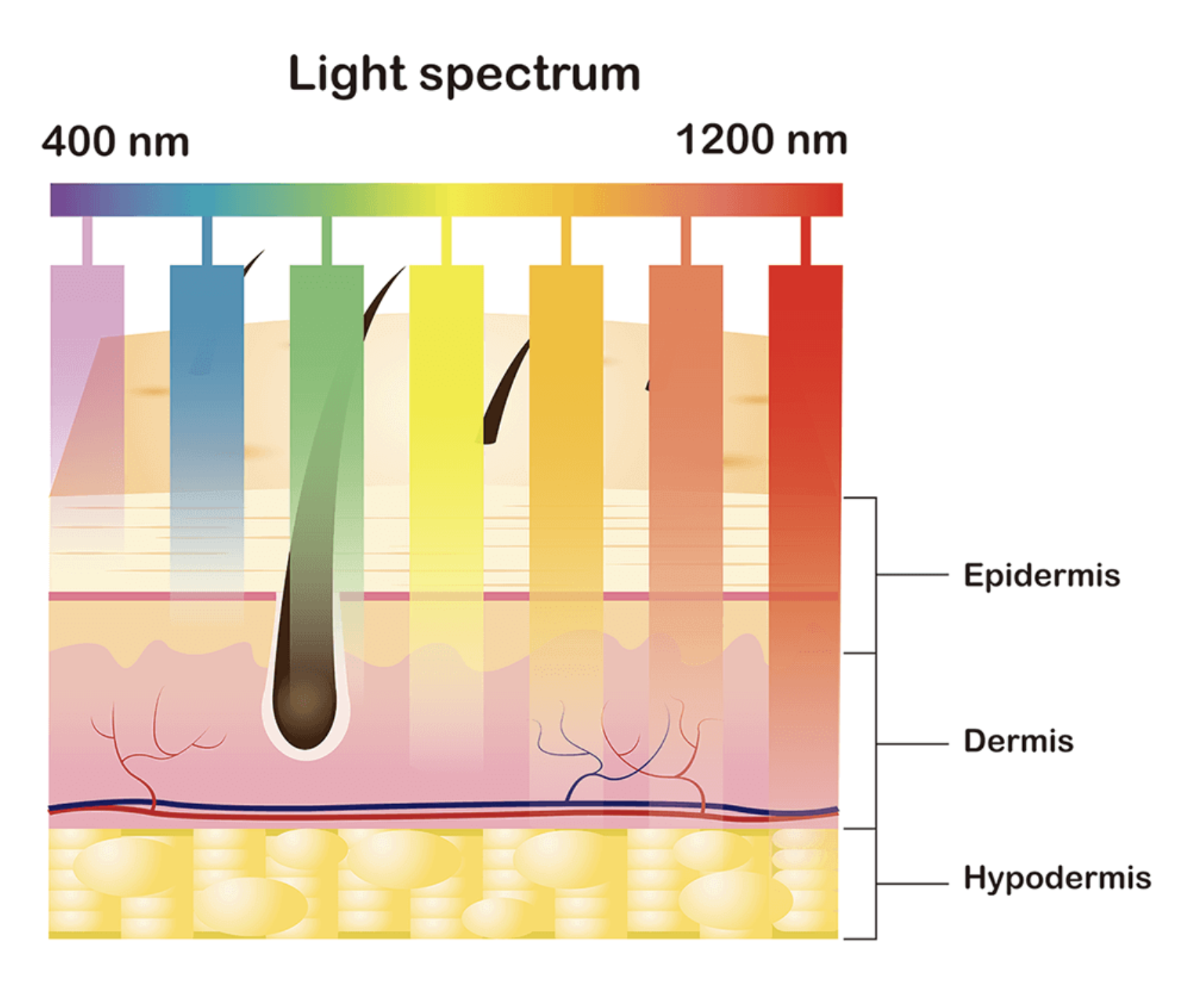
Wavelength, measured in nanometers, determines how deep the laser energy can actually penetrate the tissue. Different wavelengths get absorbed by different bits of the body - allowing for a targeted treatment.
- 650nm: This wavelength gets absorbed by melanin in the skin making it ideal for treating superficial conditions and promoting wound healing.
- 810nm: This wavelength is super effective at stimulating ATP production. It directly targets the Cytochrome C enzyme, really accelerating cellular metabolism & healing.
- 915nm & 980nm: These wavelengths get absorbed by hemoglobin & water in the blood. This process releases more oxygen to the cells & creates a gentle warming effect that stimulates micro-circulation - bringing in more fuel for healing.
- 1064nm: A longer wavelength - 1064nm penetrates deeper into the tissue. It has less dispersion allowing it to activate metabolic processes deep within the cell.
The OptiLase Class IV laser system uses multiple wavelengths to tackle a variety of issues from surface wounds to deep tissue injuries.
The Role of Power
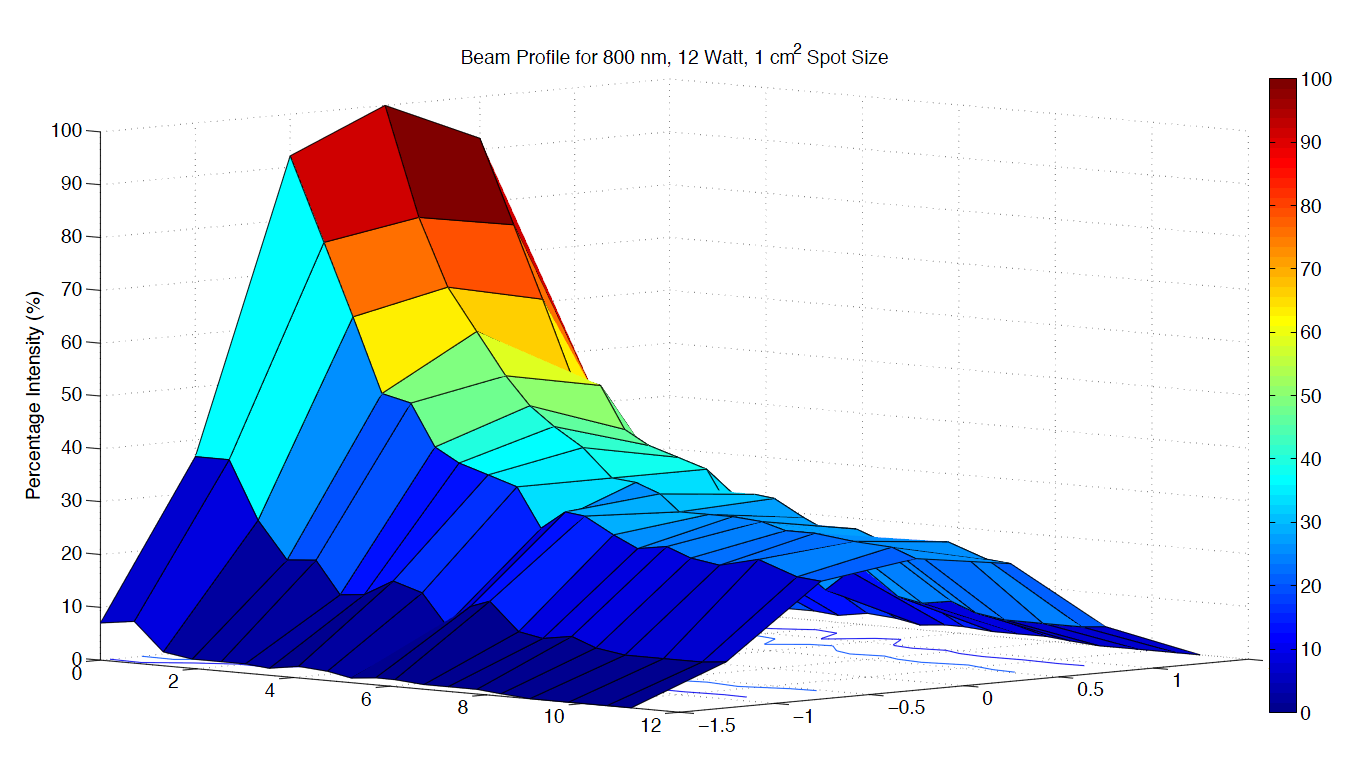
If wavelength determines how deep the laser energy can go, power determines how saturated the energy is at that depth. Power, measured in Watts, is the rate at which laser energy is delivered. A higher power laser can deliver a therapeutic dose of energy to deeper tissues in a fraction of the time.
For instance, a 4-Watt laser can deliver the same amount of therapeutic energy to a 4cm depth in just 10 seconds, whereas a 1-Watt laser would take 40 seconds. This efficiency means treatments are not only faster but also more effective & that a sufficient amount of energy can be delivered to the target area to cause a clinical effect.
Getting the Most out of Therapy with Intense Super Pulse (ISP)
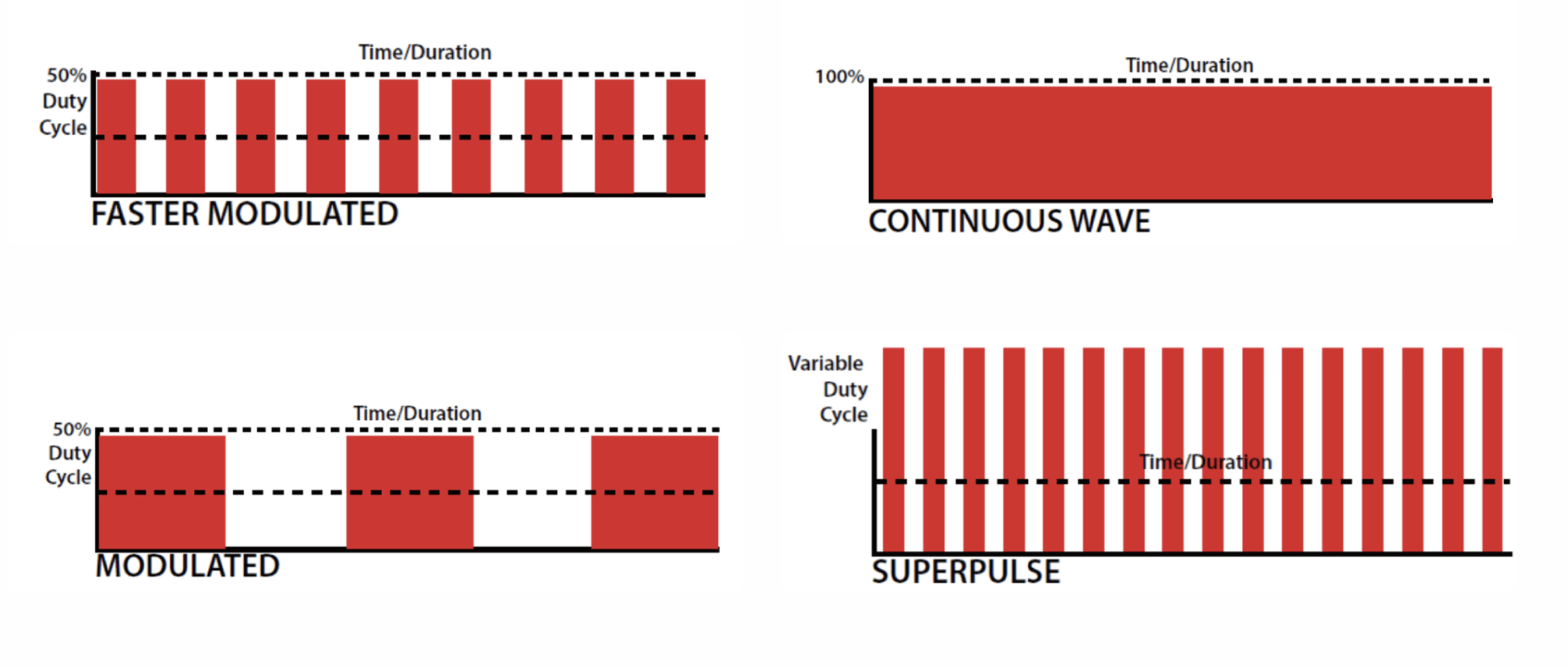
Advanced systems like the OptiLase laser also come with Intense Super Pulse (ISP) mode. This technology delivers high-peak-power pulses of light in short bursts. ISP lets you penetrate even deeper into the tissue without creating excessive heat at the surface. This capability is particularly useful for treating deep-seated pain and giving the therapy a much more powerful analgesic effect - making it not only comfortable but also highly effective.
Conditions That Can Be Treated with Class IV Laser Therapy
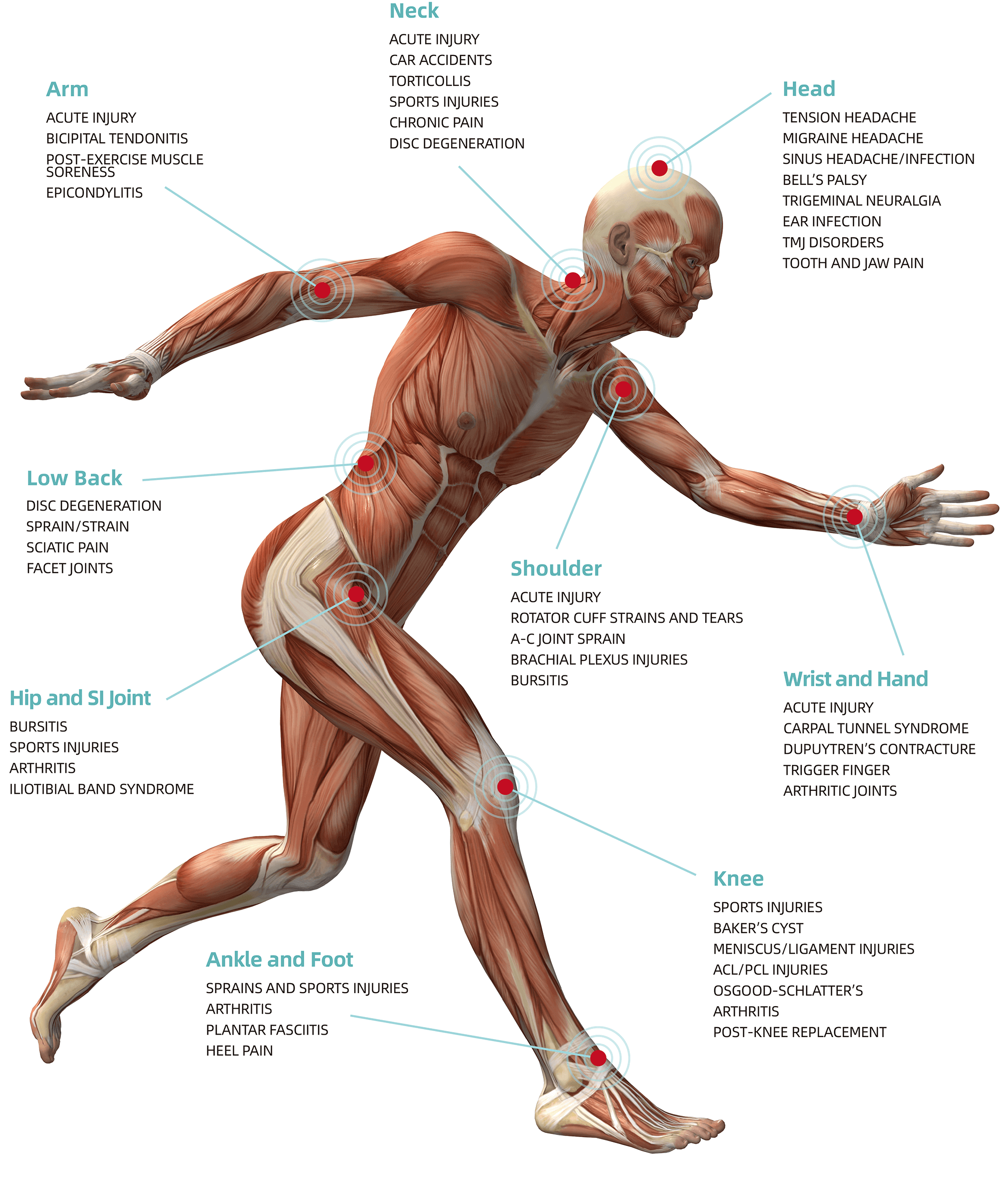
Thanks to its ability to reduce pain, decrease inflammation & speed up healing, Class IV laser therapy is an incredibly versatile modality. Healthcare professionals can use it to treat a wide array of acute & chronic conditions.
Some common applications include:* Neck & Back Pain: We deal with issues such as cervical strains, postural pain and disc herniations which create a huge source of discomfort.
- Shoulder Pain: Has been found to be very effective for treating rotator cuff strains and even biceps tendonitis.
- Elbow & Wrist Pain: Offers relief for a variety of conditions such as tennis elbow and carpal tunnel syndrome which can quickly become debilitating.
- Hip & Knee Pain: Really helps manage the pain of osteoarthritis, ITB syndrome & ligament injuries, giving people a little more freedom to move.
- Ankle & Foot Pain: Really does treat all the common issues like plantar fasciitis and sprains.
- Neuropathy: Is pretty good at helping manage nerve pain, including the forms that have been linked to diabetes.
- Post-Surgical Healing: Dramatically helps reduce pain & accelerate recovery after surgery for patients & reduces hospital stays.
Benefits for Clinical Practices
If you incorporate a system like the OptiLase Class IV laser into your medical practice you'll start to notice some significant advantages. It gives you a powerful, non-invasive and drug-free tool to help patients get some actual relief and restore function. Patients can look forward to faster recovery times & effective pain management which can make all the difference in the world.
From a financial standpoint, offering laser therapy can be a really good idea. It attracts a new set of patients who are keen on modern and effective treatments & can be integrated right into existing care plans. The efficiency of high-powered lasers means you can see more patients in less time without compromising on the quality of care.
A New Way to Heal
Class IV laser therapy is changing the way we approach pain management & tissue repair. By using the power of light, systems like the OptiLase laser basically kickstart the body's own healing mechanisms at a cellular level. It reduces inflammation, alleviates pain and accelerates recovery so its no wonder its being used to treat a vast number of conditions. For patients who are desperate to find a lasting solution and clinics that want to provide that little bit extra - laser therapy is a clear winner.
Disclaimer: Any information provided here is for educational purposes only and is not intended to replace professional medical advice, diagnosis or treatment. Always check with your doctor or another healthcare professional with any medical condition.